Guides
Daily standards for a fitness studio, as a checklist
A fitness studio daily operations checklist organized by shift interval: opening, between classes, closing, and the weekly items that never get done otherwise.
What to take away
- The between-classes list is the one that decides whether your evening runs late. Keep it short enough to finish in the gap you actually have.
- Put the exception log at the end of every shift. It is where patterns become visible.
- Print it. A checklist that lives on somebody's phone is a checklist that gets skipped when the phone is in a bag.
- Organize the routine by when it happens, not by what it is about. Staff work in time, not in categories.
- Every item is either done or not done. Anything that needs judgment belongs in training, not on a checklist.
A studio checklist fails for one of two reasons: it is too long to complete in the time available, or it is written by category so nobody knows when to do anything.
Opening
Typical budget: 15 to 20 minutes for one person, less with two on the floor.
- Doors open, lights on, ventilation and temperature set before the first member arrives
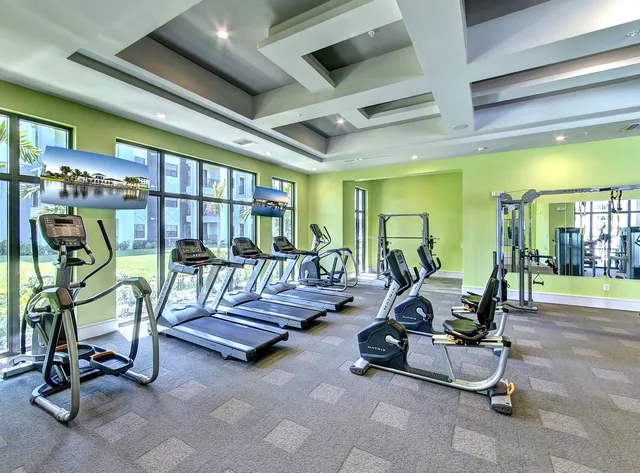
- Walk the class floor and check every station is usable
- Check any equipment flagged out of service is still isolated and labeled
- Test sound and microphone at teaching volume
- Confirm today's timetable matches what the booking system shows members
- Confirm each class has an instructor present or confirmed
- Read yesterday's exception log before anything else happens
The last item is the one that gets dropped. If nobody reads the log, writing it is theater.
Opening shift checklist
- Doors open, lights on, ventilation set
- Walk class floor, check every station
- Isolate and label out-of-service equipment
- Test sound and microphone at teaching volume
- Confirm timetable matches booking system
- Confirm each class has an instructor
- Read yesterday's exception log first
Between classes
Keep this list shorter than the gap you have. Time it once with real staff and cut items until it fits.
Typical budget: 10 to 15 minutes for the six items below. If your gap is 5 minutes, move the floor sweep and the temperature check to the closing list.
Between-class reset
- Reset every station to neutral layout
- Clean surfaces members touched
- Return equipment to labeled place
- Close register for ended class, no-shows
- Release unclaimed places to waitlist
- Log broken or unusual items immediately
- Wipe or spray every station used, in the order members left them
- Reset equipment to its marked position and check cables and pins
- Restock towels, wipes and water at each station
- Record no-shows in the booking system before the next class starts
- Sweep the floor for lost property and leave it in the lost box
- Check the room is at the temperature and light level the next class needs
No-shows are recorded here rather than later because nobody remembers them at ten in the evening. The no-show record is what makes the waitlist policy enforceable. How that policy is enforced is set out in how the timetable is built and enforced.
Closing
Typical budget: 20 to 30 minutes. This is the list that gets initialed.
- Final reset of the floor and a walk-through of every station
- Equipment out of service labeled and logged with the date
- Consumables checked against the reorder trigger
- Exception log completed and left where the opener will read it
- Tomorrow's first class confirmed with an instructor present or confirmed
- Secure the building and set alarms
The exception log has five fields: date, time, item, action taken, initials. Write the pattern, not the story. An entry without a time cannot be matched to a class.
Weekly
Typical budget: 45 to 60 minutes for one person, without interruptions.
- Full clean of anything the between-classes routine only wipes
- Scheduled maintenance due this week, recorded against each item's service log
- Read the week's exception log as a whole and look for repeats
- Check attendance against capacity for every peak slot
- Confirm cover arrangements for the coming week's peak classes
- Reorder anything that hit its trigger
The fourth item turns a housekeeping routine into management. A peak slot that is consistently full and a peak slot that is consistently half empty are both telling you something. Neither is visible from inside a single shift.
Weekly management checks
- Full clean beyond between-class wipe
- Scheduled maintenance recorded in service logs
- Read week's exception log for repeats
- Check attendance against capacity for peaks
- Confirm cover for coming week's peak classes
- Reorder anything that hit its trigger
What does not belong on a checklist
Anything requiring judgment. "Make sure the class went well" is not a checklist item; it is a coaching conversation, and it belongs in a separate observation protocol rather than on a shift list.
Anything that happens once a year. Renewals, inspections, and insurance declarations belong in a compliance register with due dates, not in a daily routine where they will be ticked without being done.
Anything nobody can complete in the time allotted. An unfinishable list trains staff to tick without doing, and once that habit forms the whole document is worthless.
Equipment items and their logs
Every out-of-service item needs three things: a label so nobody uses it, a service log entry with the date and fault, and a note in the exception log.
The inventory those logs attach to is in the new owner's equipment checklist. The room layout around those items is in the floor plan and the equipment on it.
Insurance policies frequently carry conditions about equipment condition and maintenance evidence, which is a practical reason to keep the logs rather than a theoretical one. The Internal Revenue Service's guidance on what records a business should keep sets out what supports purchases and expenses.
Safety checks inside the routine
What you are required to check, and how often, depends on your jurisdiction, your activity, and your insurer, and this page does not state it.
The Occupational Safety and Health Administration's material on safety management sets out its recommended approach of finding and fixing hazards before an incident or an inspection exposes them. Whatever your specific obligations, building the checks into fixed points in the day and recording them is the version that survives a busy season.
Whoever works the shift should say what to do when something goes wrong without looking it up. That is induction, not a checklist item. The Bureau of Labor Statistics profile of fitness trainers and instructors covers the working patterns the role usually involves.
The wider sequencing of the day sits in how the operating day is sequenced.
Common questions
Should every item be initialed?
The between-classes list, no: it has to be fast. The opening and closing lists, yes, because those are the ones where a missed item is discovered hours later and nobody remembers who was on.
What if staff say the list takes too long?
Believe them and time it. A list that does not fit the gap is a design error, and the fix is to move items to the closing or weekly list rather than to ask people to work faster.
How often should the checklist itself change?
Rarely, and always deliberately. A checklist that changes weekly stops being read. Collect proposed changes in the exception log and revise it once a season.
Who owns it?
One named person, who is also the person who reads the exception log. If nobody owns it, it drifts within a month into whatever each shift remembers.