Guides
Fitness studio equipment checklist by zone
A fitness studio equipment checklist organized by zone and station count, with opening-day essentials, service logs, and items that can wait.
What to take away
- Buy by zone and by station count, not by category. The question is always how many people this lets you serve at once.
- Everything on this list is either required for the opening timetable or it can wait. Sort it that way before you spend.
- The items that stop a class are worth spares. The items that merely annoy people are not.
- Anything you buy needs a service log from week one, because the log is what proves condition later.
- Nothing here names a supplier or a price, because both are local decisions and neither travels.
This fitness studio equipment checklist is organized by zone, and within each zone the question is the same: how many stations does the opening timetable need, and what has to work on day one for those stations to be usable.
Zone 1: the class floor
- Station markers or flooring that makes each working area obvious without being explained
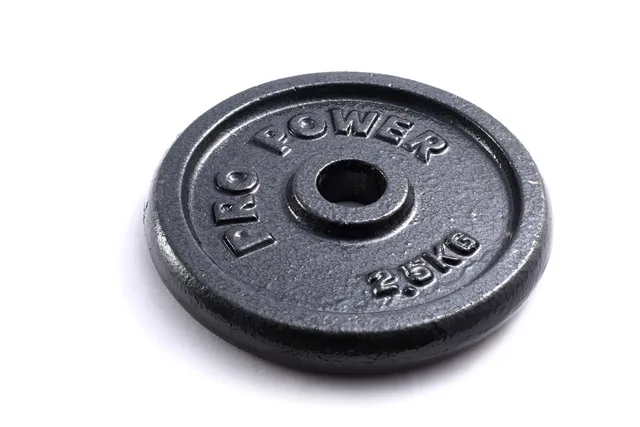
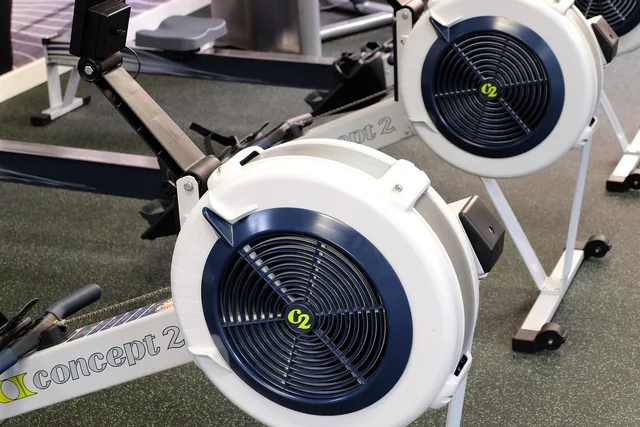
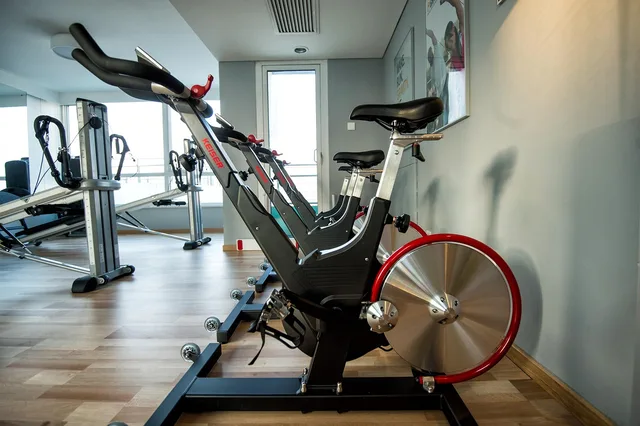
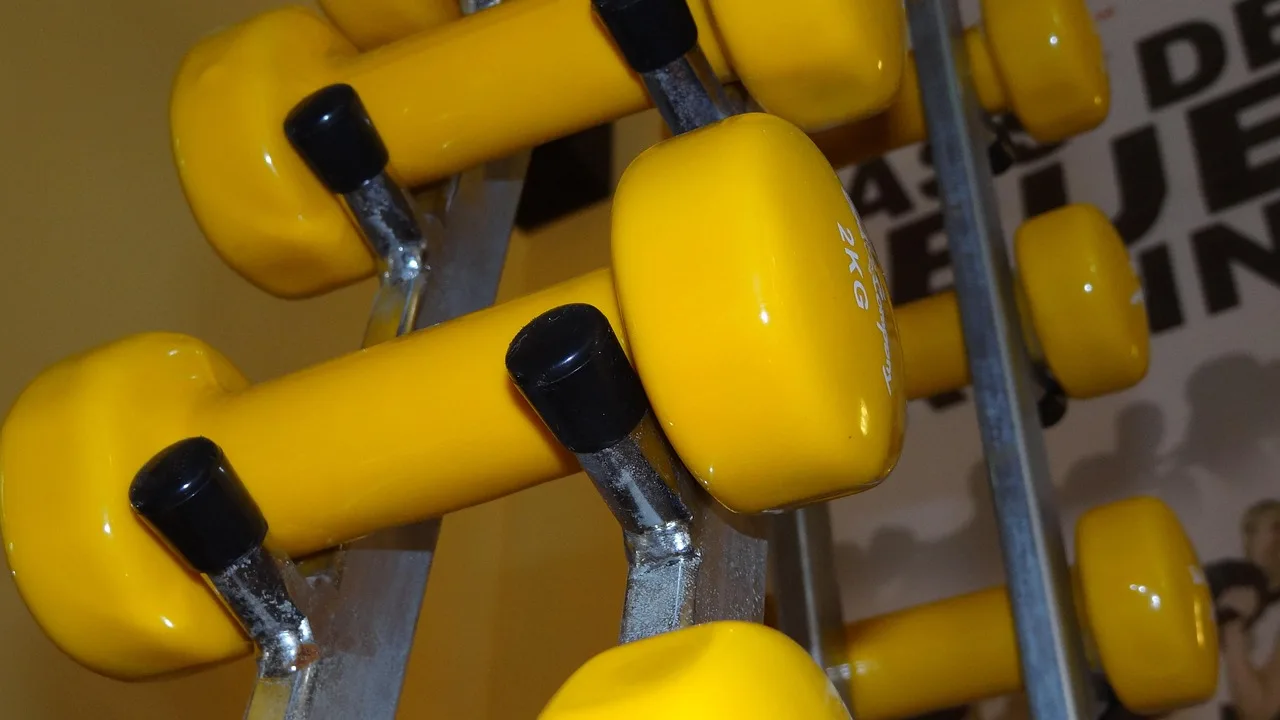
- Primary-format equipment for the full working class size, plus at least one spare of each participant-required unit: for example, yoga mats and blocks, stationary bikes, rowing machines, treadmills, Pilates reformers, or dumbbells, kettlebells, barbells, racks, and benches. Choose only the equipment your opening timetable uses.
- Secondary equipment for scheduled variations, such as resistance bands, suspension trainers, exercise balls, step platforms, or boxes
- Cleaning materials placed where a member can reach them without leaving their station
- Mirrors or their deliberate absence, decided rather than inherited
- A clock visible from every station, including the worst one
The spare in the second item is the important one. With a fixed class size, one broken unit is a place you cannot sell in every slot until it is repaired, and repairs take longer than anyone plans for.
Zone 2: instructor position and sound
- Microphone and powered speaker or other amplification, tested at the volume you will actually run
- Music playback device, such as a phone, tablet, or computer, with a fallback that works when the primary fails
- A tested sightline from the instructor to every station
- Somewhere for the instructor to keep the register, the schedule, and their own things
Ask ASCAP, BMI, and SESAC directly what a business playing recorded music in classes needs from them before opening. It is not a question to answer by assumption, and it is separate from every other permission in the map of who owns which compliance question.
Zone 3: storage
- Shelves, racks, or labeled bins for everything used in a class, reachable without crossing the floor mid-class
- Cubbies, hooks, or lockers for members to leave belongings that do not consume a station
- A marked bin or rack for equipment that is out of service, so it cannot be picked up by mistake
- Labeling that survives a busy Saturday, meaning printed rather than remembered
Zone 4: the entrance and front desk
- A check-in method that works when two classes overlap, using a tablet or computer if check-in is digital
- Somewhere for arriving members to wait that is not the class floor
- The current timetable displayed where people leaving can see it
- A written procedure for what a covering staff member does with a walk-in
The overlap in the first item is the one that gets missed. If a class ends at the moment another begins, the entrance holds two classes at once for several minutes, and that space is either designed for or it becomes a bottleneck every evening.
Zone 5: the back of house
- Cleaning schedule and supplies, such as microfiber cloths, paper towels, and the cleaning products used between classes and at end of day
- Consumables with a reorder trigger rather than a reorder habit
- Somewhere staff can leave belongings and take a break
- A service log per item of equipment, started before the first class
What can wait
Not everything on a supplier's proposal needs to exist on opening day. These usually can wait until attendance tells you they are needed:
- Equipment for formats not on the opening timetable
- A second set of anything that is not the primary format
- Retail stock of any kind
- Anything bolted down before the timetable has proved where it should live
- Branding and signage beyond what is required to find the door and read the schedule
Buying these early is the most common way a new studio spends money on unsold capacity. The layout logic that decides what earns its footprint is in the floor plan and the equipment on it.
The case for waiting is strongest wherever a second location or a second room is on the horizon. That is covered in what expansion actually requires.
Condition, records, and safety
Start a service log for every item on the first day it is in the building: what it is, when it arrived, what maintenance it needs and how often, and every service performed. This is what supports a warranty claim, and insurance policies frequently carry conditions about equipment condition and maintenance evidence.
On the record-keeping generally, the Internal Revenue Service's guidance on what records a business should keep sets out what documentation supports purchases and assets.
Under the federal Occupational Safety and Health Act (OSH Act), the General Duty Clause, Section 5(a)(1), requires covered employers to provide a workplace free from recognized hazards that are causing or are likely to cause death or serious physical harm. State-plan requirements may also apply; confirm the rules for your location with OSHA or your state-plan agency, and check your insurer's requirements.
OSHA's public safety management material recommends finding and fixing hazards before an incident or inspection. That structure makes sense whatever your specific obligations are.
Before anyone uses any of it
Anyone who teaches must know how each item works, its condition rules, and what to do when equipment fails mid-class. That belongs in induction, not a day-of conversation. It is part of how instructors are hired and trained.
The Bureau of Labor Statistics profile of fitness trainers and instructors describes the role more broadly.
How you talk about the equipment to members is its own question, and it belongs with how demand is pointed at the hours you need filled rather than here, since claims about what equipment does for people are advertising claims.
Common questions
How many spares are enough?
Enough that one failure does not reduce the class size. For a format where every person needs the same unit, that means at least one spare, and more if the units are known to fail. For consumable-style items, enough that a busy Saturday does not run out.
Should the checklist be different for a second room?
The zones are the same; the quantities are not. A second room is a second set of station counts, and the temptation to share equipment between rooms is what makes both timetables fragile.
How do I know if something is worth buying at all?
Ask which slot it lets you sell that you cannot sell today, and how many people that slot holds. If the answer is none, it is a preference rather than a purchase.
What about used equipment?
It changes the outlay and it changes the maintenance obligation, and the second effect is larger than most owners expect. The comparison is not price against price but cost per usable class-hour over the time you will keep it.