
Guides
Getting a fitness studio owners found locally: SEO checklist
Local search for a fitness studio, worked from what people actually check: the timetable, the hours, and whether the class they want has room this week.
What to take away
- Somebody searching for a studio has a time in mind before they have a studio in mind. Your timetable is the page that converts.
- Accurate hours, an accurate address, and a working booking link do more than any amount of keyword work.
- Publish the timetable as readable text on your own site, not only inside a booking widget.
- Review incentives carry disclosure obligations. Read the rules before you offer anything.
- Point local search at the slots with room. Sending traffic to a full class produces disappointment, not members.
Local search for a studio is unusual in one respect: the searcher usually has a constraint before they have a preference. They can train at 7am, or on a Saturday, or during a lunch break, and the studio that answers that constraint fastest wins.
Local search is also a capacity question. The timetable is the operational record of which classes have room, how many places each class holds, and when.
This site is about fitness studio operations: the gym timetable, class sizes, and capacity. So the local search checklist below is not a separate marketing project. It is a way to keep the public timetable, the class limits, and the booking link telling the same story.
Read it with your capacity plan open. Every listing and page should point people to classes that have room.
Sending searchers to a full class wastes the visit and creates a poor first impression. The goal is not traffic for its own sake. The goal is filling the slots that need filling. This checklist treats local visibility as part of running the room, not as a separate marketing trade.
The page that actually converts
It is the timetable. Not the homepage, not the about page.
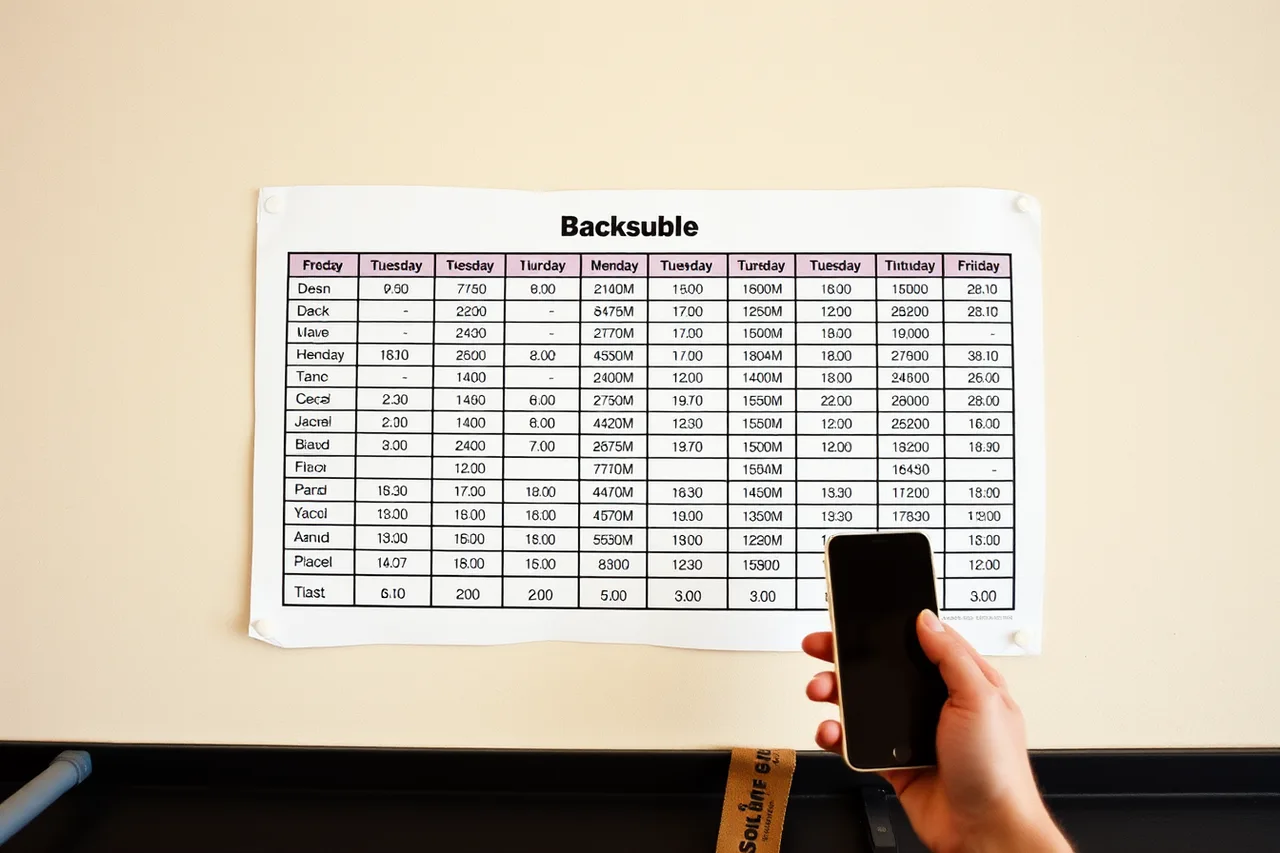
A stranger on a phone should be able to see, without tapping anything: which classes run, on which days, at what times, how long they last, how many places a class holds, and what to bring. If they have to open a booking system to find out when anything happens, most of them leave.
Publish it as text on your own page. A timetable that exists only inside an embedded widget is often invisible to search and awkward on a phone, and it is the single most common technical mistake studios make.
Profile basics: name, hours, category, photos
The listings that matter are Google Business Profile, Apple Business Connect, and Bing Places. Google's guidance on improving your local ranking describes what its own local results respond to. Most of it is unglamorous and most studios have not done it:
Local profile basics to fix
- Name, address, phone identical everywhere
- Opening hours correct, including holidays
- Category describes what you actually are
- Photos show the real room at real size
- Description states formats and who they suit
- Link loads fast and shows the timetable
- Profile questions answered by you
Work through these in order, on all three listings.
Profile basics
- The business name, address, and phone number are identical everywhere they appear
- Opening hours are correct, including holidays and any seasonal change
- The category describes what you actually are, rather than the broadest option
- Photographs show the actual room, at the size it actually is
- The description says what formats you run and who they suit
- The link goes to a page that loads quickly and shows the timetable
- Questions asked on the profile have been answered by you
NAP consistency is the item operators skip. Choose one written form of the name, one street address with one suite number, and one phone number, then repeat it exactly on every listing, invoice, and social profile.
Audit it by searching the studio name in an incognito window and again in a map app. Note every result with a different suite, number, or spelling, and fix it.
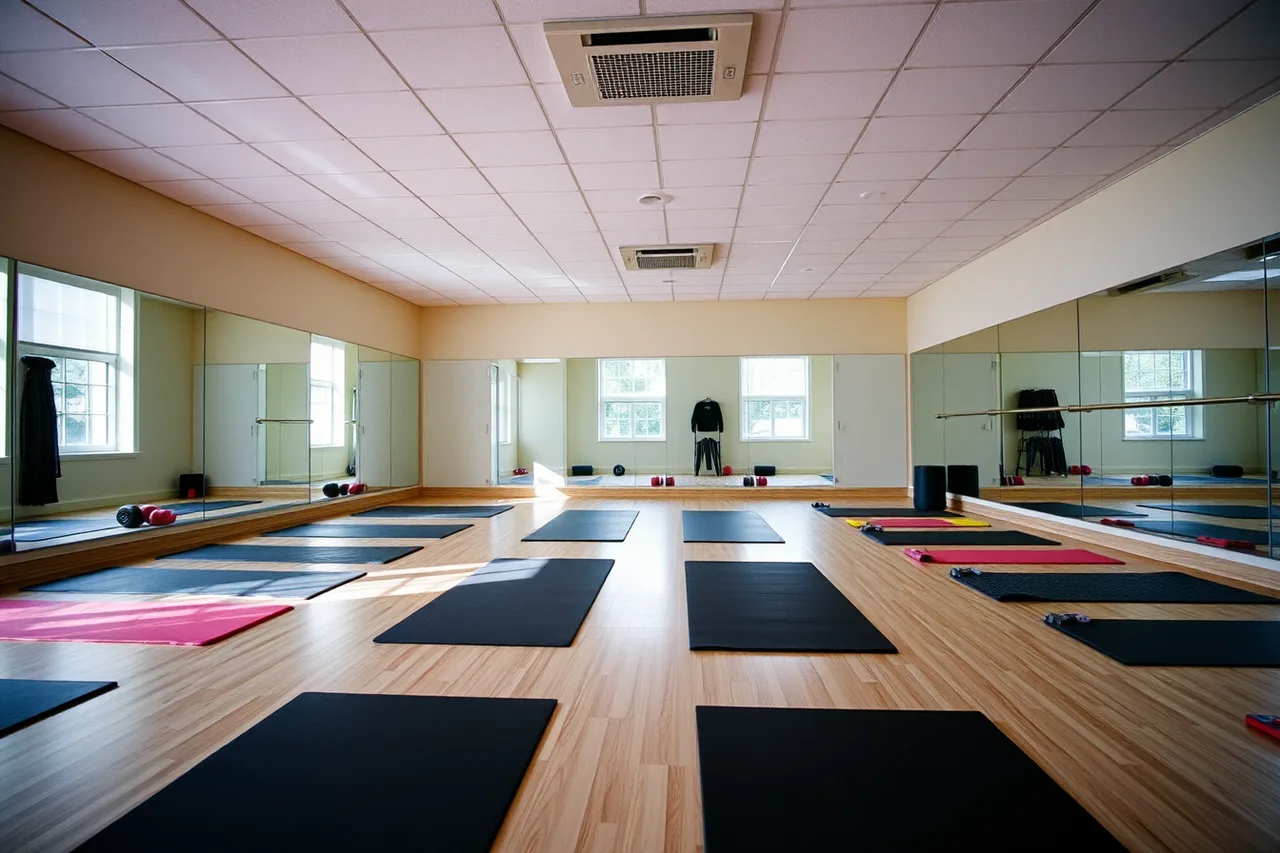
Photographs matter more than operators expect. A person choosing a studio wants to know the room size and how many people will be in it, because that determines whether they get attention.
Show the room as it is. Give the real floor size and the real equipment count. That is the room described in the floor plan and the equipment on it and inventoried in the new owner's equipment checklist.
Write for the constraint, not the category
People search by time, by neighborhood, and by circumstance far more than by format name. Pages worth having are the ones that answer a constraint: early morning classes, weekend classes, classes for people who work from home, classes near a specific landmark.
Constraint pages that earn traffic
Page by constraint
- Search intent
- Time and place
- Example
- Early morning classes
- Ends at
- Timetable and booking
- Risk
- Must be honest
Page by format name
- Search intent
- Class style
- Example
- Vinyasa yoga
- Ends at
- Nothing to act on
- Risk
- Ranks but disappoints
One page that works: the title is 7am classes in [neighborhood], and the page lists the early classes, how long they run, and how many places each one holds. It ends with a single call to action: See which 7am classes have room this week and book a place.
Each of those pages should end at the timetable and the booking link. A page that answers a question and then does not let somebody act on it has done half a job.
Write them honestly. If you do not have an early morning class, do not build a page implying you do. That page will rank, attract people, disappoint them, and produce exactly the reviews you do not want.
Reviews
Reviews influence local results and they influence people, and they are also the area with the clearest rules.
Asking for a review
Are you offering anything in exchange?
Disclose the connection, check FTC guidance
Ask in person right after class
The Federal Trade Commission's guidance on soliciting and paying for online reviews sets out what is expected of businesses that ask for or incentivize reviews. Read it before you offer anything at all in exchange for one, including a free class or a small credit. If a reviewer received something, the connection generally has to be disclosed.
Keep the wording short and plain. A reviewer who took a free class writes something like: I received a free class in exchange for this review.
Asking members to leave an honest review, with no incentive attached, at a moment when they are pleased, is straightforward and effective. The moment is right after a class, in person, from somebody they know. Asked that way it costs nothing and creates no obligations.
Respond to reviews, including the critical ones, briefly and without arguing. Prospective members read the replies more carefully than the reviews.
Point the traffic at the hours with room
This is where local search meets the actual constraint of the business. If your peak is already full, sending more people to it produces failed bookings and a poor first impression from somebody who never attended.
Look at attendance against capacity slot by slot, then aim the pages, the profile posts, and the offers at the slots with room. Choosing which slots to promote is set out in how demand is pointed at the hours you need filled, and what happens to the people who arrive is in how a trial becomes a member.
The short version: push the empty slots, and follow one person from a first class to a paid month.
If you are considering a second location
Local search behaves differently with two sites, and the mistakes are easy to make: duplicated profiles, a single page covering both, or an address that does not match. It is worth settling before you open rather than after: each site needs its own profile, its own page, and its own address and phone number, kept identical everywhere they appear.
The wider checklist is in what expansion actually requires.
Measure timetable visits, booking starts, and the front-desk question
Not rankings. Rankings move for reasons you cannot see and vary by the searcher's location.
Measure three things instead. How many people reach the timetable page. How many of those start a booking. And how many new members, asked directly, say they found you by searching. That last one is a question at the front desk, and it is worth more than any dashboard.
Common questions
Do I need a blog?
Only if you will keep it current. A stale blog is worse than none, and the effort is almost always better spent on the timetable page, the profile, and the booking flow.
How long does local search work take to show results?
The profile basics can change what people see quite quickly. Pages built around constraints take longer. Neither is a substitute for the timetable being correct, which is immediate and free.
Should I list every class as a separate page?
Usually not. A clear timetable plus a small number of constraint-led pages beats a page per class, which fragments everything and is impossible to keep current.
What about competitors with better reviews?
Look at what the reviews actually say. Studio reviews are mostly about whether classes start on time, whether the room is crowded, and whether staff noticed the person. Those are operational fixes, and they are more useful than any response you could write.