Guides
What a new fitness studio owner needs to buy: the equipment list
A new fitness studio owner needs to buy equipment for cardio, strength, and mobility work, sized to the class size the room can realistically hold.
What to take away
- Buy to a class size you have chosen for this equipment list, not to whatever fits the room. The number comes from pricing and format.
- Mats, racks, bikes and reformers are the four purchases that decide what formats the room can ever run.
- A fixed machine that breaks is a place you can no longer sell in every slot until it is repaired.
- Anything bolted down or plumbed in commits the layout before you have taught a single class.
- Ask every supplier for service cost, parts lead time and the downtime plan before you sign.
This equipment list starts with a studio floor, which is not equipment storage.
It is the asset that earns, one class hour at a time, and the equipment on it sets the ceiling on what you can sell. This list works from the class size outward, so you buy the room you can fill rather than filling the room you happen to rent.
Start from the class size, not the floor plan
Pick the class size the business needs before you pick what goes in the room. That number comes from your pricing and your format, and the working through of it sits in the startup decisions that set capacity.
Then lay out the room to hold that number with room to spare. A room that fits your target with nothing left over will hold fewer in practice, because the last two places are the ones nobody books.
The equipment list, item by item, with brands and typical prices
Prices below are typical US ranges as of 2026. Check current quotes, freight and local tax.
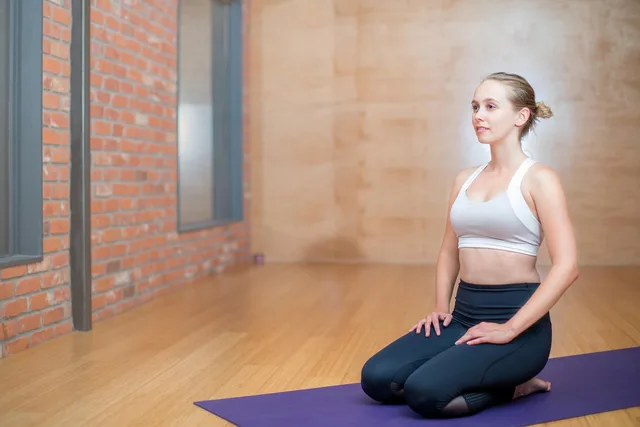
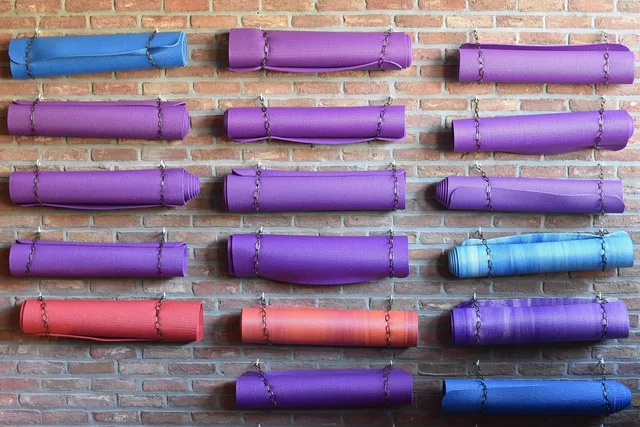
Mats and mat storage. Closed-cell mats, 6 mm to 8 mm, one per station plus a 10 percent spare. A rolling rack or wall cart keeps them off the floor. Mats are the cheapest item here and the one replaced most often.
Aeromat and Kulae sell commercial closed-cell mats. Typical prices run $25 to $70 each. A rolling rack from Uline typically costs $150 to $400.
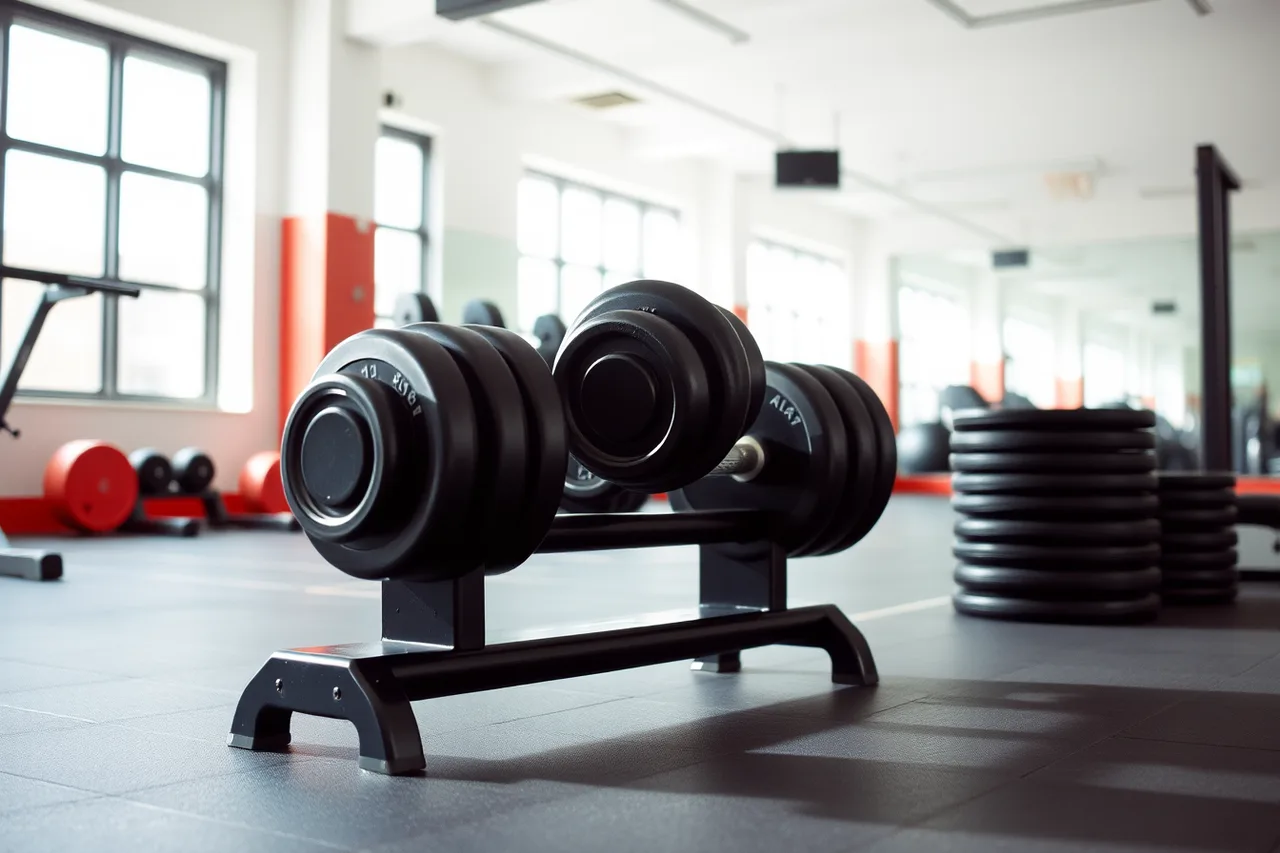
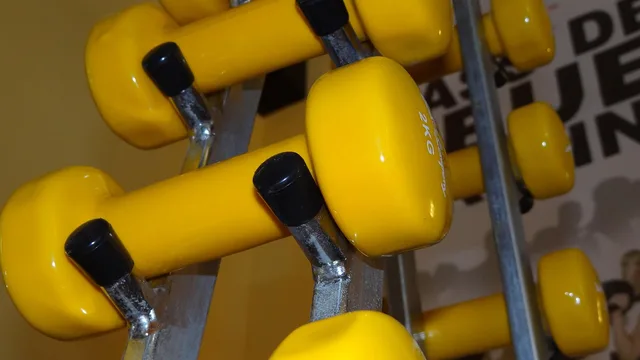
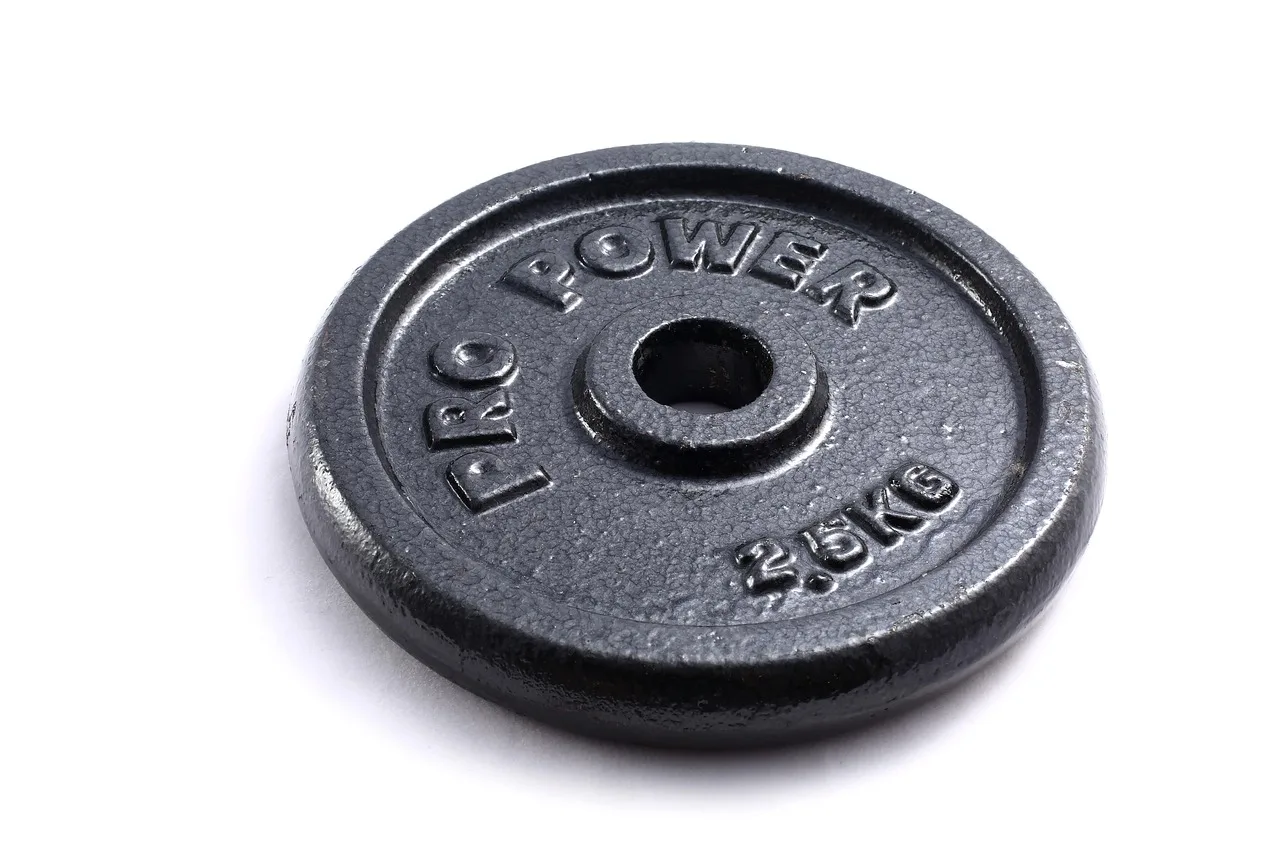
Adjustable dumbbells, 2.5 kg to 25 kg. One pair per two stations for a functional or strength format. They set the top end of what your classes can program, so buy the range you intend to coach, not the range you can afford this month.
Bowflex SelectTech 552 adjusts from 5 to 52.5 lb per dumbbell, about 2.3 kg to 24 kg. Typical price is $429 to $549 per pair. PowerBlock Elite EXP adjusts from 5 to 50 lb and typically costs $399 to $499 per pair.
Kettlebells, 8 kg to 24 kg. Cheaper than dumbbells per kilo and better for swings and carries. Buy three of each weight across the range; the middle weights walk off first.
Rogue Fitness kettlebells typically run $40 to $120 each across that range. Titan Fitness kettlebells typically cost $30 to $90 each.
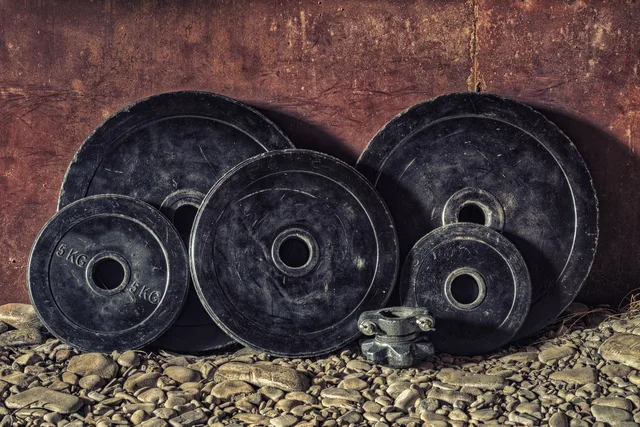
Barbells, plates and a platform. Only if you coach lifting. A platform needs a structural floor and a clear drop zone, which is a layout decision before it is a purchase.
Rogue Ohio Bar typically sells for $295 to $375. Rogue bumper plates typically run $1.50 to $2.50 per pound. A 4x8 platform from Rogue typically costs $500 to $900.
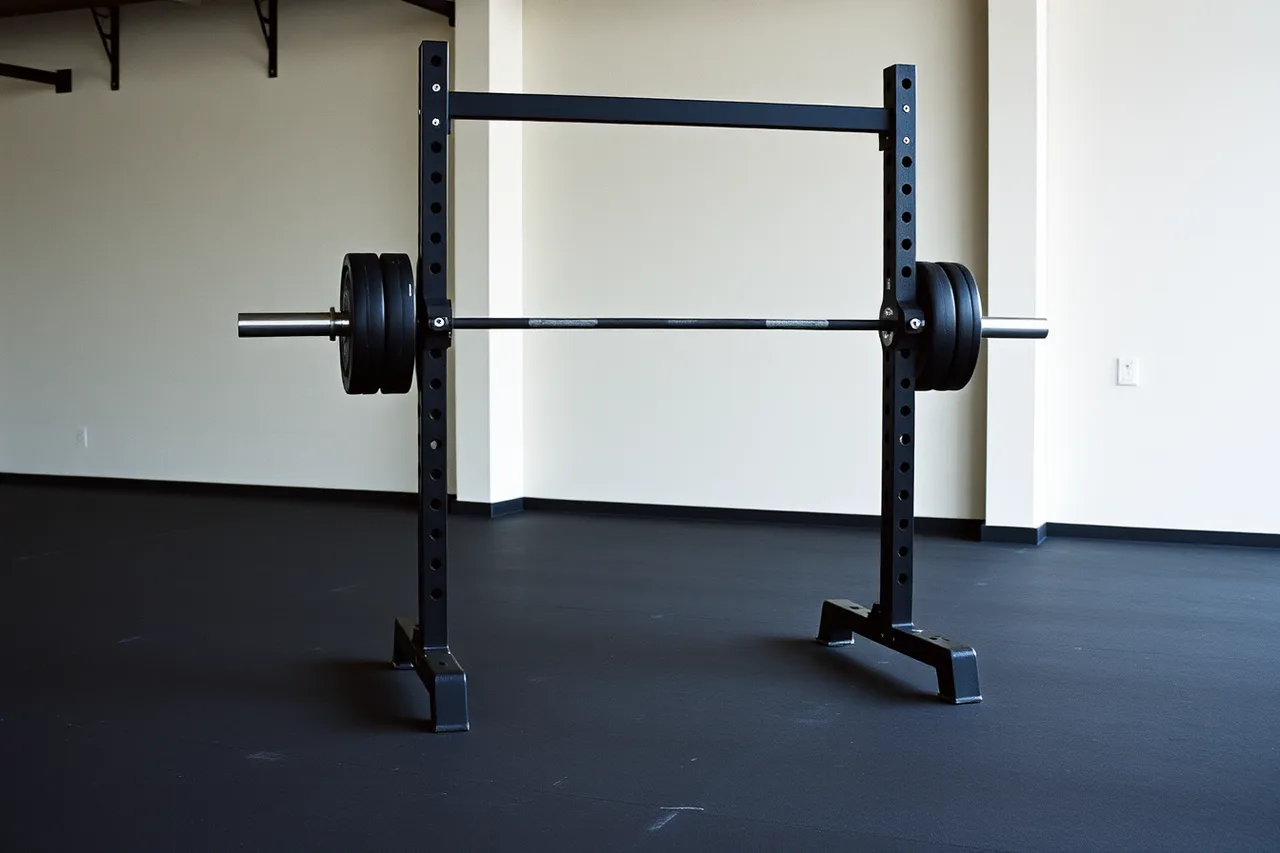
Squat racks or rigs. The single biggest format commitment in the room. A bolted rig fixes the layout; a freestanding rack can be moved when the timetable changes.
Rogue R-3 rack typically costs $795 to $995. Titan Fitness T-3 typically costs $400 to $600. A 4-post rig from Rogue typically runs $1,500 to $3,000.
Benches, adjustable and flat. Two per ten stations. Adjustable benches carry a hinge that fails first, so check the warranty on the mechanism rather than the frame.
Rogue Flat Utility Bench 2.0 typically costs $225 to $275. REP Fitness AB-5200 adjustable bench typically costs $500 to $600.
Resistance bands and loops. Sold in sets by tension. Cheap, small, and the item most often lost, so budget for replacing them twice a year.
Perform Better Superbands typically cost $15 to $40 each. Bodylastics sets typically cost $30 to $80.
TRX or suspension trainers. One anchor point per two stations, mounted to a rated beam or wall. The anchor is the part to have installed by someone qualified.
TRX PRO4 system typically costs $199 to $249. TRX XMount anchor typically costs $50 to $70.
Plyo boxes, three heights. Wood for stability, foam for shins. Stack them against a wall; they eat floor space when left out.
Rogue Wood Plyo Box typically costs $150 to $250. Titan Fitness foam plyo box typically costs $100 to $180.
Step platforms and risers. For step formats, one per station. Risers go missing, so count them weekly.
The Step original platform typically costs $100 to $150. Additional risers typically cost $20 to $40 per pair.
Indoor cycles. The most expensive per-place purchase on this list and the least flexible. Each bike is one place, permanently, and a bike out of service is a place you cannot sell.
Stages Cycling SC3 typically costs $2,000 to $2,800 per bike. Schwinn IC4 typically costs $800 to $1,000. Life Fitness IC6 typically costs $2,200 to $3,000.
Reformers or Pilates apparatus. Large, immovable, and format-locking. Buy from a supplier with a local service technician, because a reformer waiting on a part is a dead station.
Balanced Body Allegro 2 Reformer typically costs $3,000 to $4,500. Merrithew SPX Max typically costs $3,200 to $4,200.
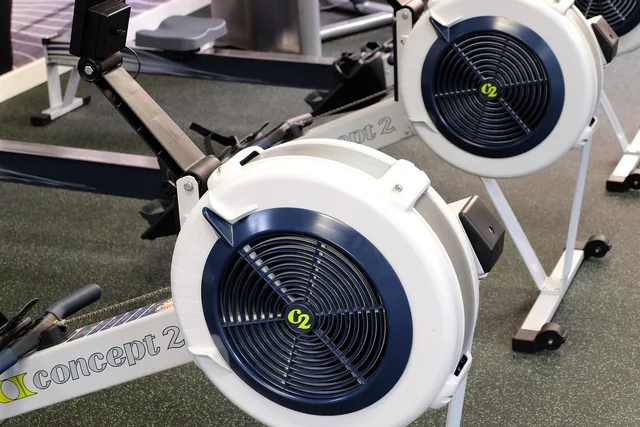
Rowers and ski ergs. Medium footprint, high wear on the damper and the monitor. Budget for a monitor replacement every few years.
Concept2 RowErg typically costs $990 to $1,250. Concept2 SkiErg typically costs $925 to $1,150. A replacement PM5 monitor typically costs $160 to $200.
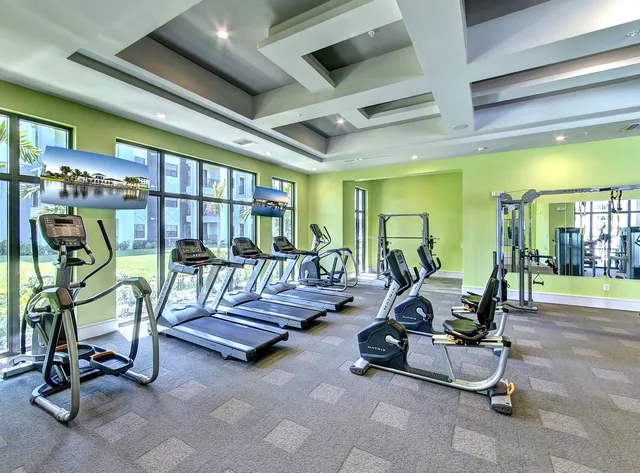
Treadmills and ellipticals. Only worth it if you run open-floor cardio. They draw serious power and need dedicated circuits.
Life Fitness T5 treadmill typically costs $3,000 to $4,500. Precor TRM 885 typically costs $7,000 to $10,000.
Mirrors. One wall, floor to ceiling where the format needs them. They help sightlines and they make sound worse.
Commercial mirror panels typically cost $20 to $40 per square foot installed.
Sound system and instructor headset. A wireless mic and two speakers beat a loud system nobody can hear over. Test it with a full class before you buy anything bigger.
Shure BLX288/PG58 wireless mic system typically costs $600 to $700. QSC K8.2 powered speaker typically costs $700 to $900 each.
Cleaning and sanitizing supplies. Spray, cloths, a mop and a wet-floor sign. Mats and bikes get wiped between every class, so buy in bulk.
Zogics gym wipes typically cost $30 to $60 per roll. Simple Green cleaner typically costs $15 to $30 per gallon.
Storage that is reachable during a class. A locked cabinet or shelving unit inside the room, not down a corridor. Its absence makes every class slightly worse, forever.
Uline lockable storage cabinet typically costs $300 to $700. Global Industrial shelving typically costs $150 to $400.
First aid kit, fire extinguisher and signage. Required in most jurisdictions. Confirm the specification with your local fire marshal rather than a supplier.
First Aid Only 50-person kit typically costs $40 to $70. Kidde 5 lb fire extinguisher typically costs $30 to $50.
What each format does to the number
What each format does
Station size
- Mat based, minimal equipment
- Small
- Free weight or functional
- Medium
- Fixed machine or apparatus
- Large and immovable
- Cycle or fixed cardio
- Medium and immovable
- Small group coaching
- Medium, with coaching space
- One-to-one
- Whole room, one person
Turnaround between classes
- Mat based, minimal equipment
- Short: mats and cleaning only
- Free weight or functional
- Medium: resetting and re-racking
- Fixed machine or apparatus
- Short, but layout cannot flex
- Cycle or fixed cardio
- Short
- Small group coaching
- Medium
- One-to-one
- Immediate
The capacity risk
- Mat based, minimal equipment
- Sound and sightlines, not space
- Free weight or functional
- Equipment spread creeps and eats circulation
- Fixed machine or apparatus
- The room can only ever run one format
- Cycle or fixed cardio
- Every unit out of service is a place lost, permanently
- Small group coaching
- The size drifts upward until it is just a class
- One-to-one
- The hour is worth what a full class would have earned
Before buying any item, know its maintenance needs and frequency. Know who performs it and the service cost. Know how long parts take to arrive. Know what the class does while it is out of service. A supplier who cannot answer the last three is telling you something.
Station arithmetic
Work in stations, not square feet. A station is one person's working area plus the space they need to move safely within it, and its size depends entirely on the format.
Then subtract, in this order:
- The instructor's position and the space they need to move between stations.
- Circulationat least one route through the room that does not cross a working station.
- Door swing and the queue of people arriving while a class is finishing.
- Storage that has to be reachable during a class.
- Anything permanently fixed to the floor or wall that eats a station's footprint.
What is left is the working class size. It will be lower than your first count. That is normal, and better found now than after you have sold a package against a number the room cannot deliver.
Turnaround is part of capacity
The gap between classes decides how many class starts fit in a peak evening. If reset takes fifteen minutes and your gap is ten, the timetable runs late every night and the last class is short.
Time an actual reset with actual staff, then build the timetable from that. The daily version of that routine belongs in the operating documents rather than in anyone's head.
Sound, sightlines, and the things that lose members quietly
Nobody cancels a membership over acoustics. They stop enjoying the class, then stop coming. Two conditions are worth testing with real people in the room before opening.
Can everyone hear the instructor from the worst station, over the music, at the volume you actually run? Hard surfaces and mirrors make this worse than it sounds when the room is empty.
Can everyone see the instructor from the worst station? Columns, mirrors and equipment all create places nobody books twice, and a station nobody books is a place you no longer have.
If music is part of the format, ask the performing rights organizations directly what a business playing recorded music in classes needs from them. The rest of the permissions stack is mapped in the map of who owns which compliance question.
Buying, and then owning
The purchase is the small decision. What follows it is the long one.
Keep a service log per item from the first week. It supports warranty claims, often meets insurer policy conditions, and is the only way to know whether equipment is actually cheap.
On record-keeping, the Internal Revenue Service offers guidance on what records a business should keep, including documentation for asset purchases and expenses.
Safety, laid out honestly
What you must do about safety depends on your jurisdiction, your activity, and sometimes your insurer. This page cannot state it for your building.
OSHA's publicly readable safety management material describes its recommended approach: find and fix hazards before an incident or an inspection exposes them. That is a sound way to run a program regardless of what your city requires.
What is required of you specifically should come from your city, your state and your insurer. Ask them in writing.
Fitting out without stranding yourself
Two decisions are expensive to reverse and worth slowing down for.
Anything bolted to the floor commits the room to one format. That may be exactly right, and it may also be why the room cannot be repurposed when demand shifts. Know which you are choosing.
Anything that requires power, ventilation or drainage in a specific place commits the layout before you have run a single class. Where you can, run the format for a season with movable equipment and let the timetable tell you where things should be fixed.
The Small Business Administration's business guide covers the general commercial planning around these decisions, and the service design they have to support is in how services and packages are built.
Who works in the room
Layout is a staffing decision. If an instructor must cross three stations to reach one, that room needs a different teaching style and maybe extra help at peak.
The Bureau of Labor Statistics profile of fitness trainers and instructors covers the role and its working patterns. Use it to decide staffing on a busy evening.
Common questions
How much space does one person need?
It depends entirely on the format, and any number printed here would be wrong for most readers. Mark out stations in the actual room, put real people in them, and run a real class. That takes an afternoon and settles the question.
Should I buy everything at once?
Usually not. Buy what the opening timetable needs, run it for a season, and let attendance tell you what the second purchase should be. Equipment bought for a class that never filled is the most common wasted spend in a new studio.
How do I decide between a flexible room and a fixed one?
Ask how confident you are in the format three years out. Fixed layouts are cheaper to run and better to train in. Flexible layouts cost you a little capacity and buy you the ability to change your mind.
Does a bigger room solve a full timetable?
Only if the extra places are in hours that are already full. Otherwise it raises rent across every hour of the week and raises revenue in none. The cheaper answer is usually another class start in a peak window.