Guides
Fitness studio brands: the reliable ones
A working list of fitness studio equipment brands, what each is known for, and how to check a supplier's service record before you sign a contract.
What to take away
- The reliable fitness studio brands fall into three groups. Cardio: Life Fitness, Precor, Technogym, Matrix, Star Trac.
- Strength and conditioningHammer Strength, Rogue, Eleiko, Cybex, Keiser.
- Ergs, bikes and stairsConcept2, Woodway, StairMaster, Assault Fitness.
- Brand tells you who built the frame. It does not tell you who will fix it in your city, or how fast.
- Ask every supplier the same written questions, then compare the answers side by side. The shortlist orders itself.
- Parts availability, response time and reference sites are the three answers that end a conversation.
- A unit that costs one station of floor space costs you that station in every peak slot for as long as you own it.
Fitness studio brands are the easy part of this decision, and they are also the part that misleads most. A name on a frame says nothing about whether a technician can reach you on a Tuesday in February. Use the list to build a shortlist, then let the questions cut it down.
The fitness studio brands worth shortlisting
Life Fitness is the default for cardio floors in mid-size and large commercial gyms. It is sold through regional dealers, priced per unit with volume terms, and its parts supply is strong. A commercial treadmill typically lists between $5,000 and $9,000 as of 2026.
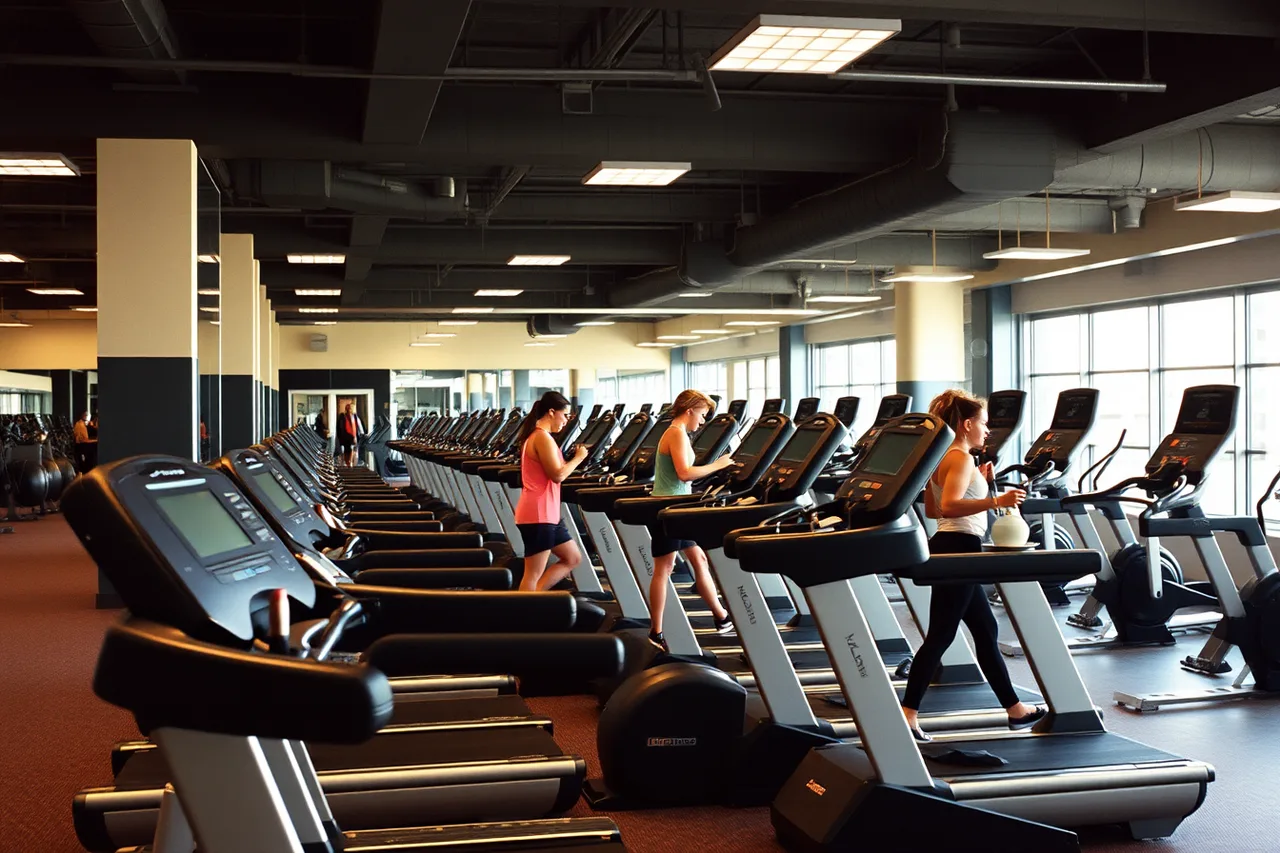
Hammer Strength, owned by the same group as Life Fitness, is the plate-loaded and strength side of that pairing. Heavy-gauge frames make it common in performance gyms, and it suits studios running small-group strength rather than machines. Plate-loaded machines typically list between $2,500 and $4,500 per unit.
Precor is the other long-standing commercial cardio name, known for smooth ellipticals and a service network that reaches most metros. Peloton bought Precor in 2021, and local dealer coverage is still the practical question. It suits clubs that need on-site service rather than shipped parts.
Technogym sits at the premium end, with connected equipment and a design-led finish. The Italian company is based in Cesena and listed on the Milan exchange. It suits boutique studios where the room is part of the product, and service coverage varies by market.
Matrix is the value-to-mid commercial option, built by Johnson Health Tech of Taiwan. Franchise gyms and hotel fitness rooms use it widely. It suits operators buying a full floor on a fixed budget, where package pricing matters more than any single machine.
Rogue makes racks, rigs and barbells rather than cardio, sold direct from Columbus, Ohio, with fast shipping. A wall-mounted or freestanding rig is the common choice for strength and conditioning studios. Racks typically run from about $1,000 to $3,000, depending on depth and attachments.
Keiser is known for pneumatic resistance and belt-driven bikes, which hold up in high-turnover group rooms. Its M3i bike is the model most cycling studios know, built for fast seat and handlebar changes. Bikes typically list between $2,000 and $2,800, and the format suits cycling and small-group studios.
Woodway builds the curved and slat-belt treadmills common in performance and rehab settings. The Waukesha, Wisconsin company is best known for the Curve, which suits sprint and walking-pad formats. Slat-belt treadmills typically run $10,000 to $20,000, with a long service life to offset the cost.
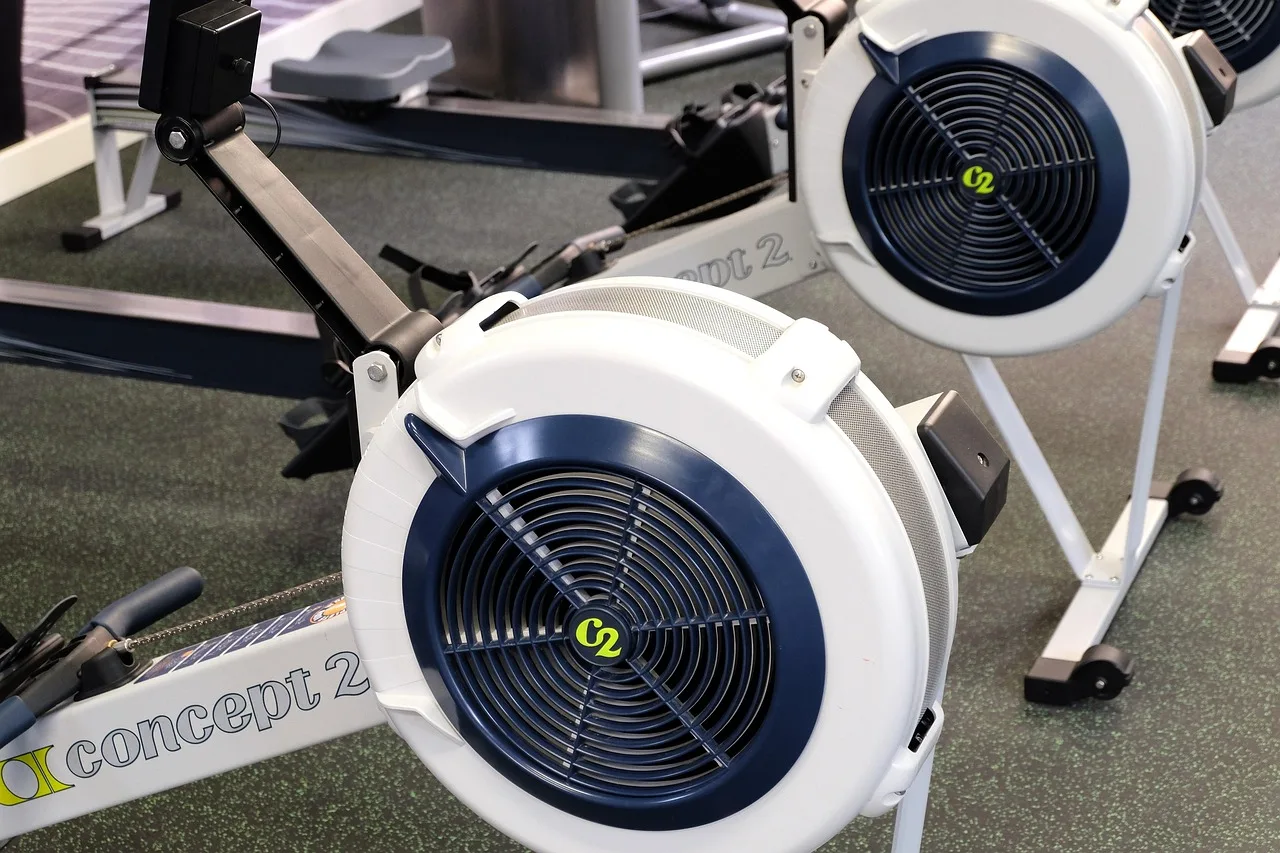
Concept2 makes the RowErg and BikeErg, the rowers most group classes are built around. Vermont-based Concept2 sells direct at a fixed price, with parts by mail. A RowErg typically costs $1,000 to $1,200, and the set-up suits any studio running rowing intervals.
Eleiko is the competition-standard barbell and plate name, used in Olympic lifting and powerlifting where plate tolerance matters. The Swedish company's competition bars typically sell between $600 and $1,200.
StairMaster makes the stepmills and StairClimber machines behind most stair-based classes. A commercial stepmill typically lists between $6,000 and $10,000.
Assault Fitness builds the fan bikes and rowers common in interval classes, sold direct at a fixed price. An Assault AirBike typically costs around $800 to $1,200.
Star Trac and Cybex round out the traditional commercial cardio and selectorized strength field, both with long dealer histories in North America. Star Trac sits in the Core Health & Technologies group. Cybex has been part of Life Fitness since 2016.
Prices here are list or street ranges in most markets as of 2026. Dealer quotes move with volume, freight and installation.
Worked example: scoring three suppliers
Ask each supplier the same questions in writing, then put the answers in one table. The pattern shows up fast.
Scoring three suppliers
Supplier A
- Parts stocked locally
- Yes, most
- Who services it
- Own technicians
- Typical time to site
- 2 days
- Loan unit during repair
- No
- Reference studios, 2+ years
- 3 given
- Warranty term
- 2 years parts
- Consumables proprietary
- Yes
- Commercial rating stated
- Yes
Supplier B
- Parts stocked locally
- Consumables only
- Who services it
- Third-party
- Typical time to site
- Not stated
- Loan unit during repair
- No
- Reference studios, 2+ years
- None given
- Warranty term
- 1 year
- Consumables proprietary
- No
- Commercial rating stated
- Vague
Supplier C
- Parts stocked locally
- Yes, most
- Who services it
- Own technicians
- Typical time to site
- Next day
- Loan unit during repair
- Yes, 1 week
- Reference studios, 2+ years
- 4 given
- Warranty term
- 3 years parts
- Consumables proprietary
- No
- Commercial rating stated
- Yes
Supplier B is out on two lines. Supplier A is workable if your timetable can absorb a two-day gap. Supplier C costs more and is the one to negotiate with.
The three questions that end the conversation
How fast does a technician reach the studio after a failure?
What covers the gap if a unit is out for a week?
Which studios in this region have run this model for over two years, and may I contact them?
Fit the brand to the room, not the other way round
A unit that is slightly better but takes more floor may cost you a station. A station lost is a place you cannot sell in any peak slot for as long as you own the equipment.
Run the arithmetic with your own numbers: stations lost multiplied by peak classes per week, multiplied by the drop-in or membership value of one place, over the ownership period.
That trade is worked through in the floor plan and the equipment on it, and the day-one inventory it feeds is in the new owner's equipment checklist.
If the shortlist includes secondhand or refurbished units, the comparison changes shape, and that is worked through in buying new against buying used.
Keep the answers and the service log
Keep every written answer. They become the maintenance schedule, the warranty conditions you must satisfy, and the evidence file if something goes wrong. Start a service log per item on the day it arrives and record every maintenance action against it.
That log matters in three places. Warranty claims usually require it. Insurance policies often carry conditions about equipment condition and evidence of maintenance. And the Internal Revenue Service's guidance on what records a business should keep covers the documentation expected behind asset purchases generally.
Safety and staff sit outside the sales conversation
A supplier's safety claims are a supplier's claims. What you are required to do comes from your state, your city and your insurer, so ask them rather than reading a brochure. The permissions stack those questions sit inside is mapped in the map of who owns which compliance question.
The Occupational Safety and Health Administration publishes its recommended approach to safety management: find and fix hazards before an incident or an inspection does it for you.
Whoever teaches on the equipment must know how it works, its condition rules and what to do when it fails mid-class. That is induction, not a day-of conversation, and it belongs with how instructors are hired and trained.
The Bureau of Labor Statistics profile of fitness trainers and instructors describes the role more broadly.
Common questions
Are these brands actually reliable, or just well known?
Both, and the two are not the same thing. Each name above has a long commercial track record and a parts channel that reaches most metros. What varies is the dealer and technician covering your area, which is why the supplier questions matter more than the badge.
How many suppliers should I interview?
Three is usually enough to see the spread of answers, and the spread is the informative part. One supplier's answers mean little until you have something to compare them against.
What if the best answers come with the highest price?
That is common and often correct. Compare total cost over the working life, including the classes you cannot run while a unit is out of service. Price the downtime and the ranking often changes.
Should I buy everything from one brand?
It simplifies service and gives you more standing when something goes wrong. It also concentrates risk if that brand's service in your region turns out to be thin. Ask each supplier who services their equipment locally, and let that answer decide.